
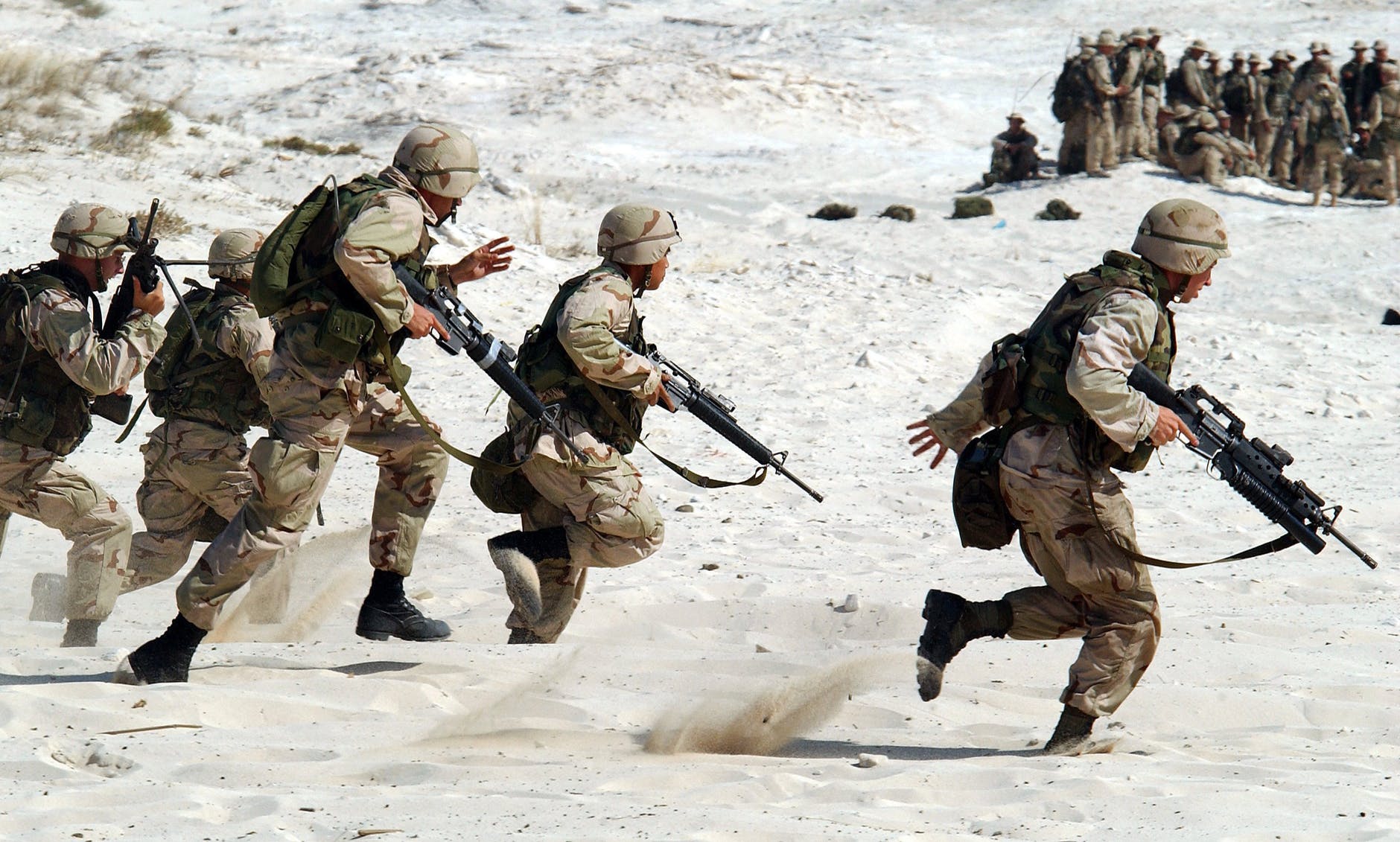
Several countries involved and affected by World War II felt the impact. These countries have to rebuild their territory. Quoted from the book History of The World War (2019) by Saut Pasaribu, the suffering and losses received by a nation that wins in a war are the same as a nation that loses a war. World War II had a wide impact in various fields. The following are some of the impacts of war, including the impact on the economy, politics, culture, and the environment.
Usually in war, casualties and injuries, as well as damage to cities, become public attention as a result of war, but one of the main victims of war and armed conflict that humans forget is the environment. In every war, water wells are polluted, agricultural products are burned, forests are destroyed, lands are polluted and animals are killed. A clear example of this fact is in the wars that have taken place over the last few decades.
The Impact of War on the Environment
Usually in war, the loss of life and injury, as well as damage to the city, is a public concern as a result of war, but one of the main victims of war and armed conflict that humans forget is the environment. In every war, water wells are polluted, agricultural products are burned, forests are destroyed, lands are polluted and animals are killed. A clear example of this fact is in the wars that have taken place over the last few decades.
As new technologies emerge, the potential effects of technologies used in warfare change even more widely. Modern chemical, nuclear and biological weapons have a very wide environmental destructive capacity. Various battles and wars at the end of the 20th century and the first years into the 21st century have clearly proven this fact. How wars in the late 20th and early 21st centuries have had a serious impact on human life, the environment, and natural resources. For example, the destruction of ecosystems due to the Vietnam war.
On August 4, 1964, the United States started a war for ambiguous reasons aimed at securing its control in the region and preventing Vietnam’s independence. But the process turned the war into a catastrophe that claimed the lives of four million people and inflicted great damage. The United States also used the orange bomb chemical in Vietnam, whose effects have affected the birth of deformed babies.
Suggested Article: Best Places to visit in the USA
The impact of war on the use of chemicals
In the war, the United States military used weed killers and sprayed them into forests and bushes. About two million gallons of the material were used in the Vietnam war by the United States. As a result, although the war has passed for many years until now many areas cannot be planted with anything. So damaged was the region that a writer in Le Monde in 2002 rated the Vietnam war as the “biggest Ecological War in history.”
another example of deliberate attacks on ecosystems to achieve political and military goals is that of Iraq’s aggression against Iran. In the war, Saddam, the former dictator of Iraq, instructed the implementation of a “scorched earth” policy in the central and southern points of the Bainun Nahrain region. Following Saddam’s instructions, the Iraqi military burned the Hur al-Adzim area and destroyed the bamboo forest in the area. Due to the destruction of the region’s ecosystem, there is no more bird migration to the lakes of the outskirts and south of Iraq.
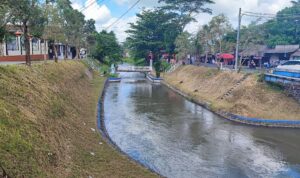
Impact of War on Pollution of rivers in Iraq
Not only that, with the excuse of creating a line of defense against Iran, Saddam’s regime destroyed 15 million date palms in the southern provinces of Iraq. The move even extended to the highlands and in Iraq’s summer farms. All date palm groves in Basra province and on the border with Iran were destroyed. Instead, Saddam’s regime planted mines and various kinds of bomb traps. The process is exacerbated by the pollution of rivers in southern and central Iraq.
During the war, various hazardous chemicals, the waste of Iraq’s obsolete factories, especially the oil industry as well as the waste of the country’s cities and villages, were drained into the Furat and Dajlah rivers. So much so that large patches of waste oil, diesel, and gasoline can be seen in the coastal city of Basrah. This happens at a time when pollution has a direct and widespread impact on the environment, ecosystems, and people. Not only in Iraq but environmental problems are also being faced by some Iranian cities and regions near the Iraqi border.
In analyzing the impact of the war on the environment, it seems difficult to ignore the impact of the war on Kuwait. Because of course, we can all imagine the pollution caused by burning oil wells which causes black smoke. The sun’s rays were blocked and the day seemed like night. During the Kuwait war in 1991, more than 700 oil wells were intentionally burned and directly polluted water and sea sources, and made the air dangerous to breathe.
The impact of the war on the death of thousands of birds in the Persian Gulf
After the events in Kuwait, the annual death rate increased by 10 percent. The only good news from the incident was the soaring of a plume of smoke and ash to a height of five thousand meters. Because if not, it will cause unimaginable damage and pollution to water and air sources in the region and even the world. Oil deposits have covered hundreds of kilometers on the Persian Gulf coast and killed 30,000 birds.
On the other hand, the Israeli regime’s attack on Lebanon in 2006 was also one of the wars that caused great damage to Lebanon’s natural resources and environmental wealth. Israeli airstrikes on a power plant 20 kilometers south of Beirut have resulted in oil leaks in the eastern Mediterranean. About four million gallons of heavy oil flowed into the sea and polluted waters up to a 150-kilometer radius from the Syrian and Lebanese coasts.
Suggested Article: Animal Agriculture in a Changing Climate
Whereas based on the provisions of the United Nations, the warring parties in a battle must comply with international provisions including the Geneva Conventions. Among the provisions and conventions is the prohibition of intentional destruction of agricultural land. However, in the wars of the last decades, the prevention of environmental destruction is no longer a concern.
Therefore, UN officials consider now is the right time to re-analyze international agreements on war, armed conflict, intentional or unintentional environmental destruction, as well as various steps to ensure environmental safety in every conflict.